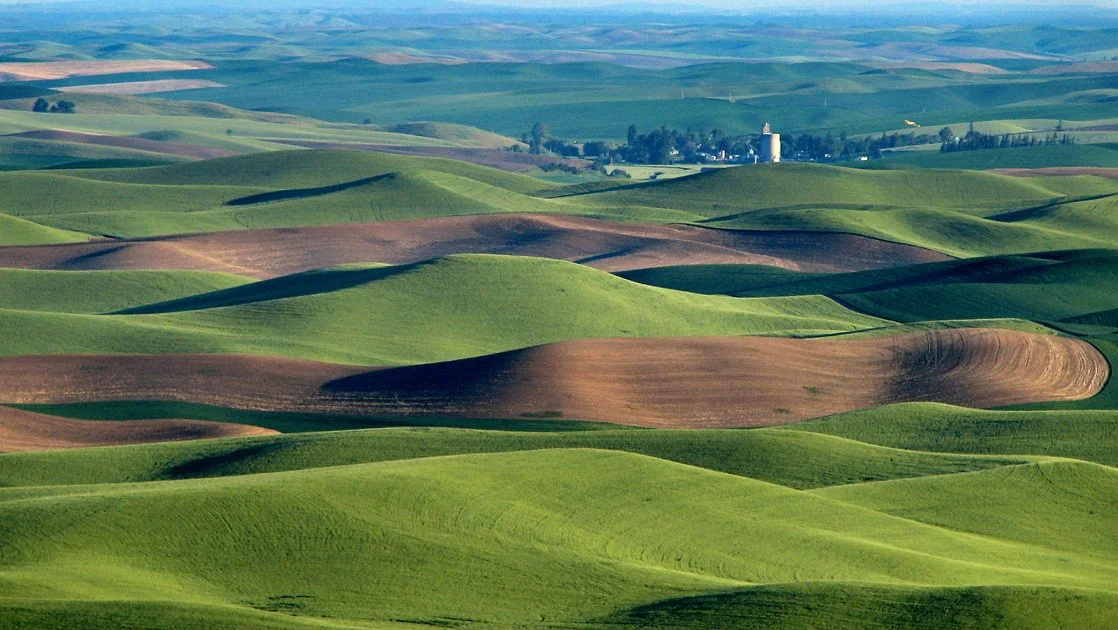
A unique and vulnerable landscape
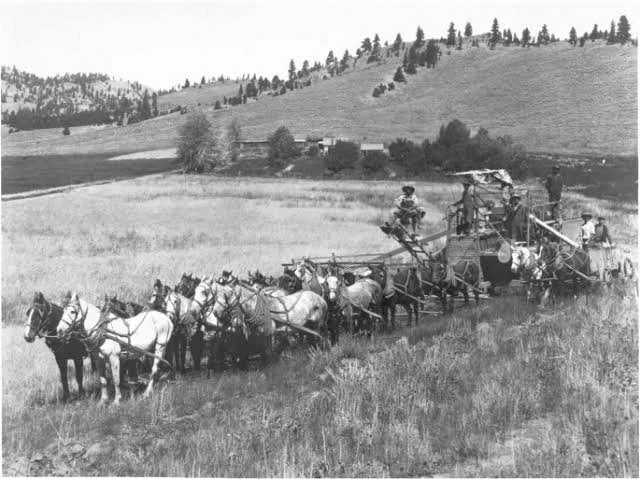
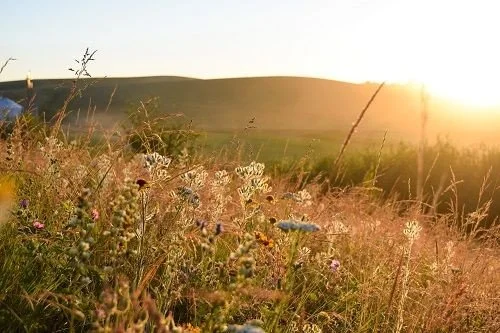
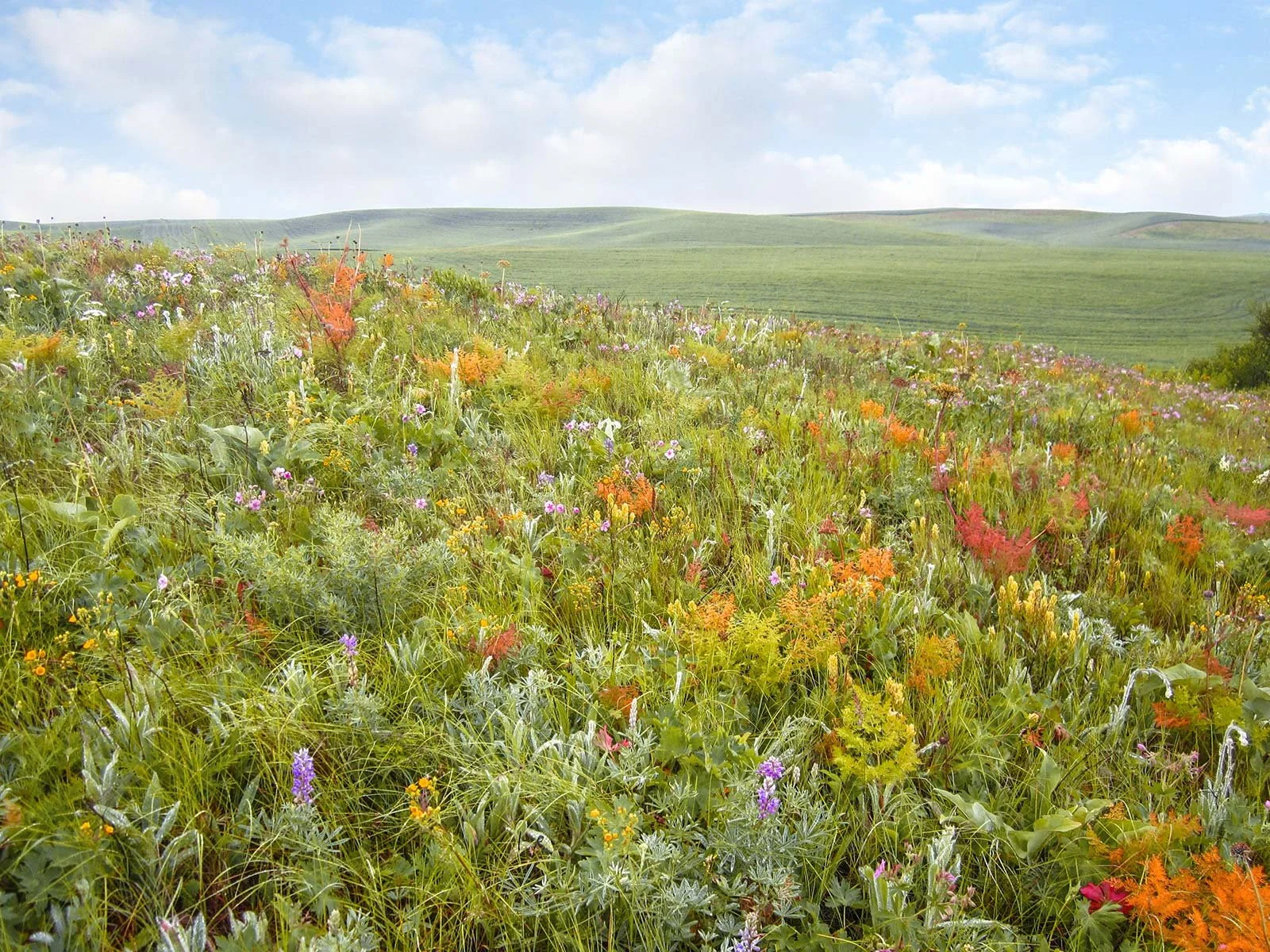
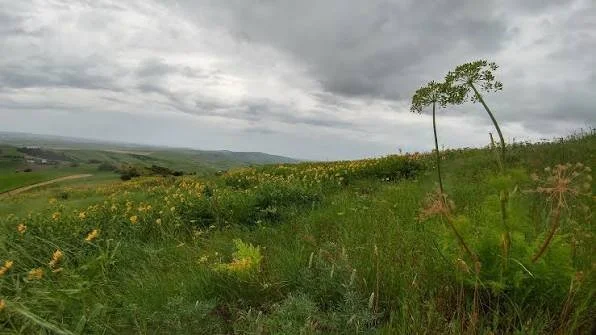
According to early settlers, the rolling hills of the Palouse were once covered with lush fields of native bunchgrasses, hawthorne thickets, wild rose and snowberry, ponderosa pine woodlands, seasonal wetlands with camas as far as the eye could see, and a dizzying array of wildflowers.
Today, our native Palouse Prairie exists in small patches of land that were either too rocky or steep to plow for agriculture. These scattered "remnants" are often no larger than an acre or two in size, and isolated from each other by large swaths of farmland. Some plant and animal species have disappeared, and those that remain face a difficult existence.
But the peril of the Palouse Prairie is not a foregone conclusion - not by a long shot. Thanks to the dedication of committed individuals, grassroots groups, and multi-agency conservation efforts, what's left of our Palouse Prairie remnants are being protected, preserved, and restored. Threatened species, like the Spalding's catchfly, are being propogated and reintroduced on protected prairie lands; and the Giant Palouse Earthworm, once thought to be extinct, was found again in 2005.