By Craig Malone, Community Lands Steward
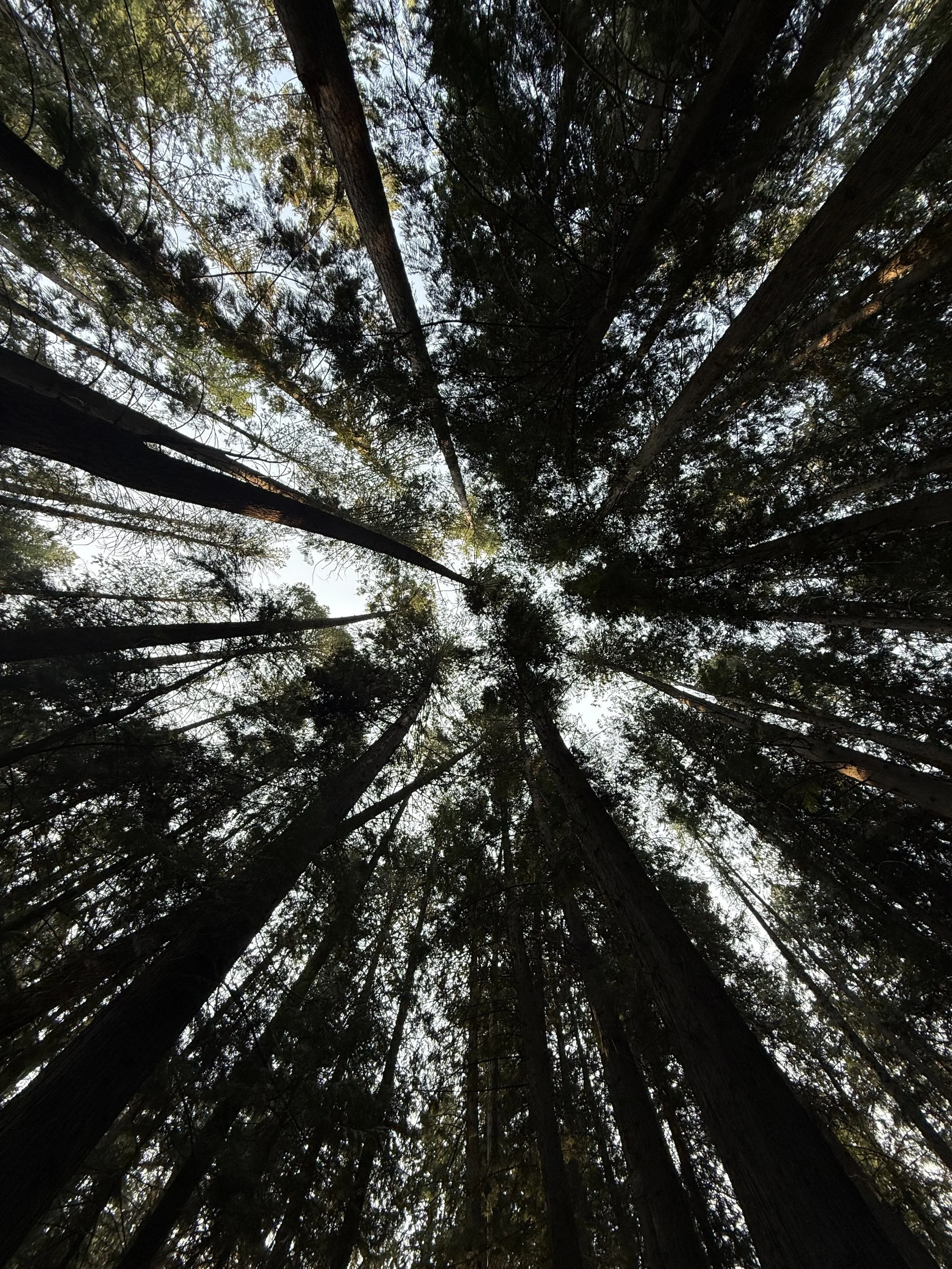
Idler's Rest has a way of feeling timeless. It's old growth forest just minutes from downtown Moscow, with towering cedars, a creek that runs through the middle of it, and a loop trail that's become a daily ritual for a lot of people in this community. You come for the quiet, the shade, the same familiar loop, and the forest looks like it always has.
But forests are always changing, just ever so slowly enough that you don't catch it on any one visit. Right now, that change is showing up along the Highland Loop Trail, where a stand of Douglas-fir is visibly bare in some spots and rusty red in others.
"These rusty red spots and bare canopies are a clear sign of one thing: Armillaria root rot," says Noah Lindeman, a Forest Health Specialist with the Idaho Department of Lands.
What's going on with the trees
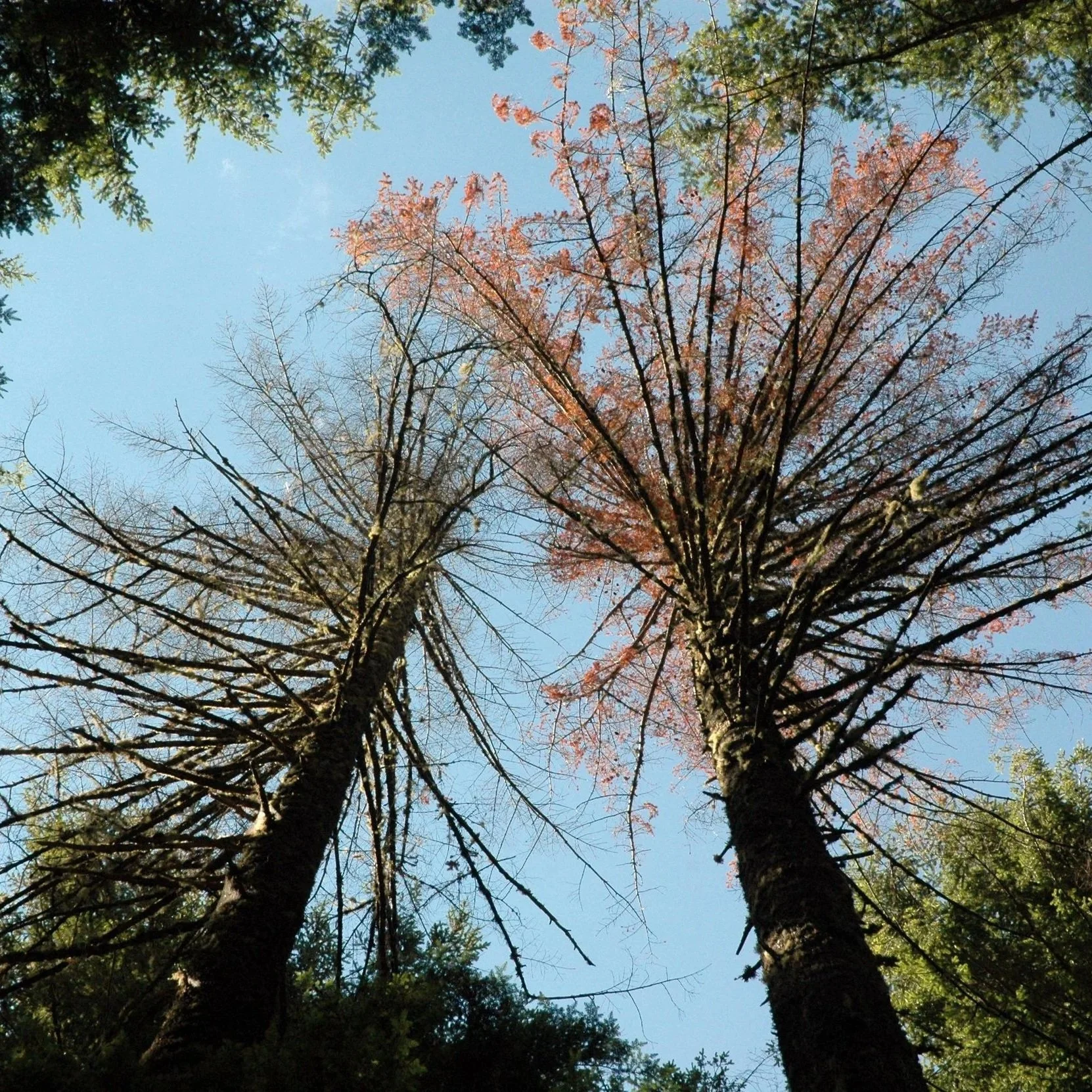
The visual toll of root rot: One tree completely stripped, while its neighbor turns a warning shade of red
Armillaria root rot is a fungus that's actually native to forests here in the Inland Northwest. It's been present in this stand for a while, spreading slowly underground from root to root. Douglas-fir happen to be one of the trees it hits hardest, and this particular group of them has taken the brunt of it (see photo).
Robbie Easley, a Program Manager with the Idaho Department of Lands, assessed that about 90% of the overstory Douglas-fir in this section of the forest are already dead or dying. That's a hard number, but it reflects the reality on the ground, and it's not a situation that improves if left alone. The fungus keeps moving to the next tree.
What we're doing about it
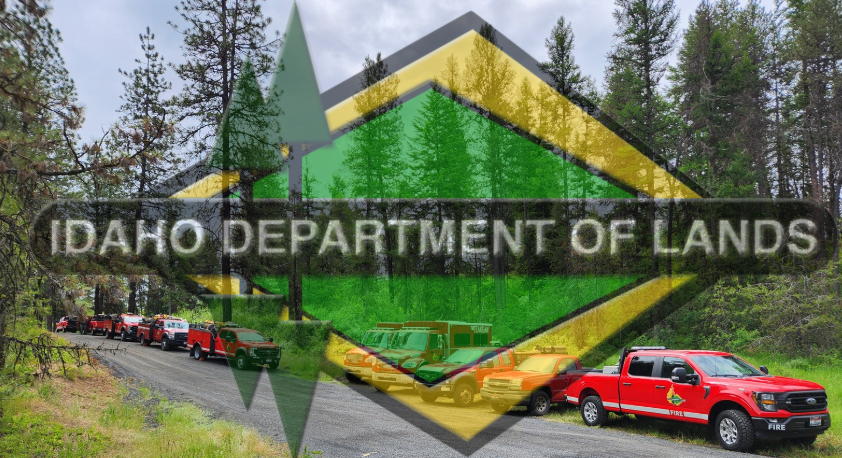
IDL Trucks on the case
This partnership project with the Idaho Department of Lands brings decades of forestry expertise to Idler’s Rest. Since late June, crews have been removing trees that are dead, declining, or unsafe while protecting healthy trees, including the ponderosa pine already growing throughout the stand. This is not meant to be a clear-cut, but rather a targeted effort to address trees impacted by disease and support long-term forest health.
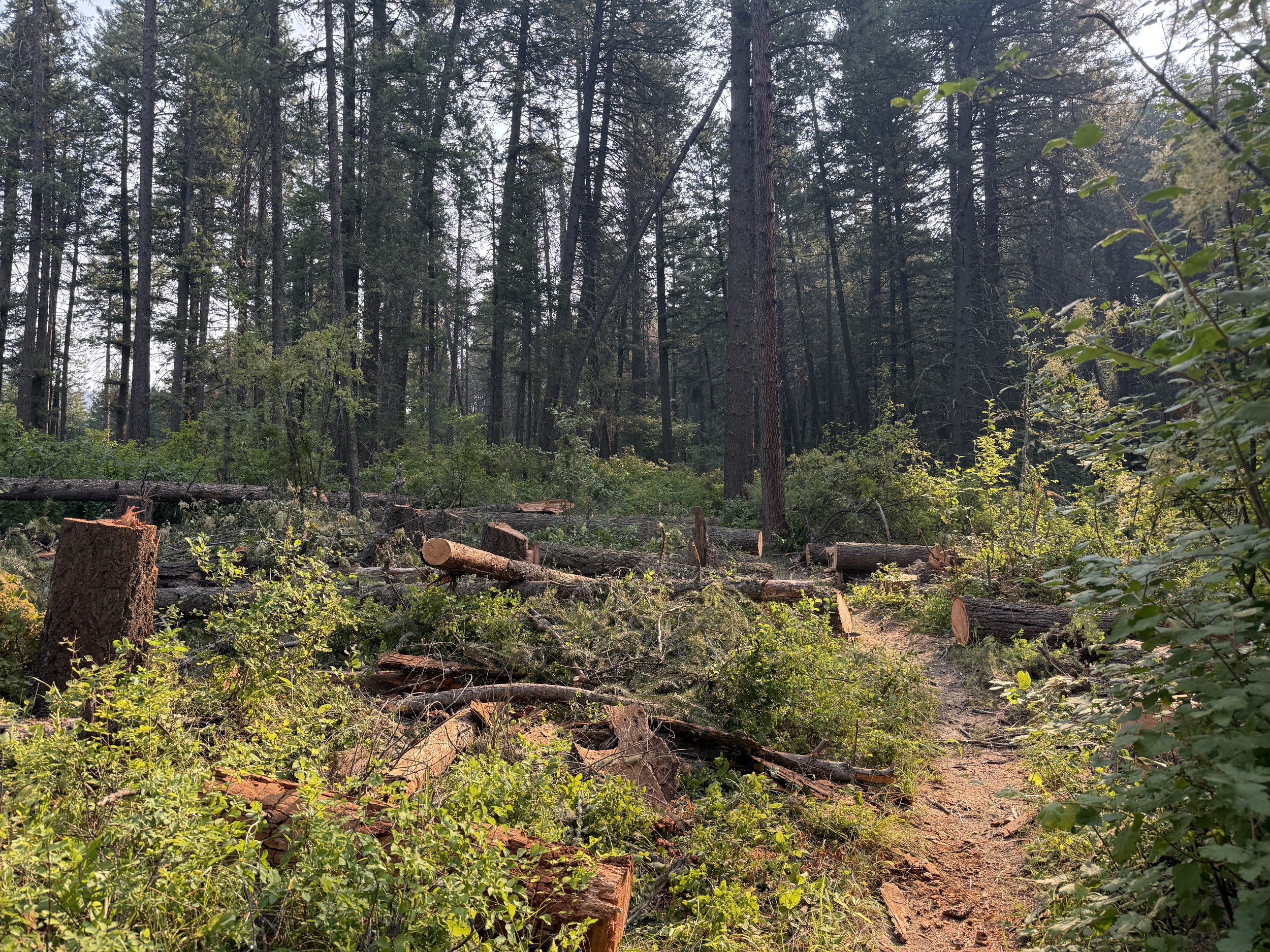
Making room for a healthier forest along Highland Loop
Since this work sits right next to the Highland Loop trail, expect to see stumps, downed logs, and some open canopy as the trail reopens to hikers. This change can look stark at first, especially right after crews complete a section, but it is an important reminder that forest restoration is a long-term process. A healthy forest takes time to grow and recover.
In the coming years, we will plant more than 500 ponderosa pine and western larch trees to help create a more diverse and healthy forest. Although the landscape looks different today, this work is an important step in caring for Idler’s Rest and supporting the forest’s continued growth.
“A healthy forest isn’t a snapshot in time. It’s a living, changing place. By responding to challenges like Armillaria root rot now, we’re helping create a more resilient forest for generations to come.” - Craig Malone; Community lands steward
Why we're doing it this way & what the future holds
Armillaria can sit in the soil for decades after the trees are gone. If this patch of forest were left to come back on its own, new Douglas-fir would likely take root right into that same infected ground and get sick all over again. So as this area is restored, the plan is to replant with a wider mix of native species, including more ponderosa pine and western larch. A forest with more variety tends to hold up better against disease, drought, and whatever else it runs into down the road.
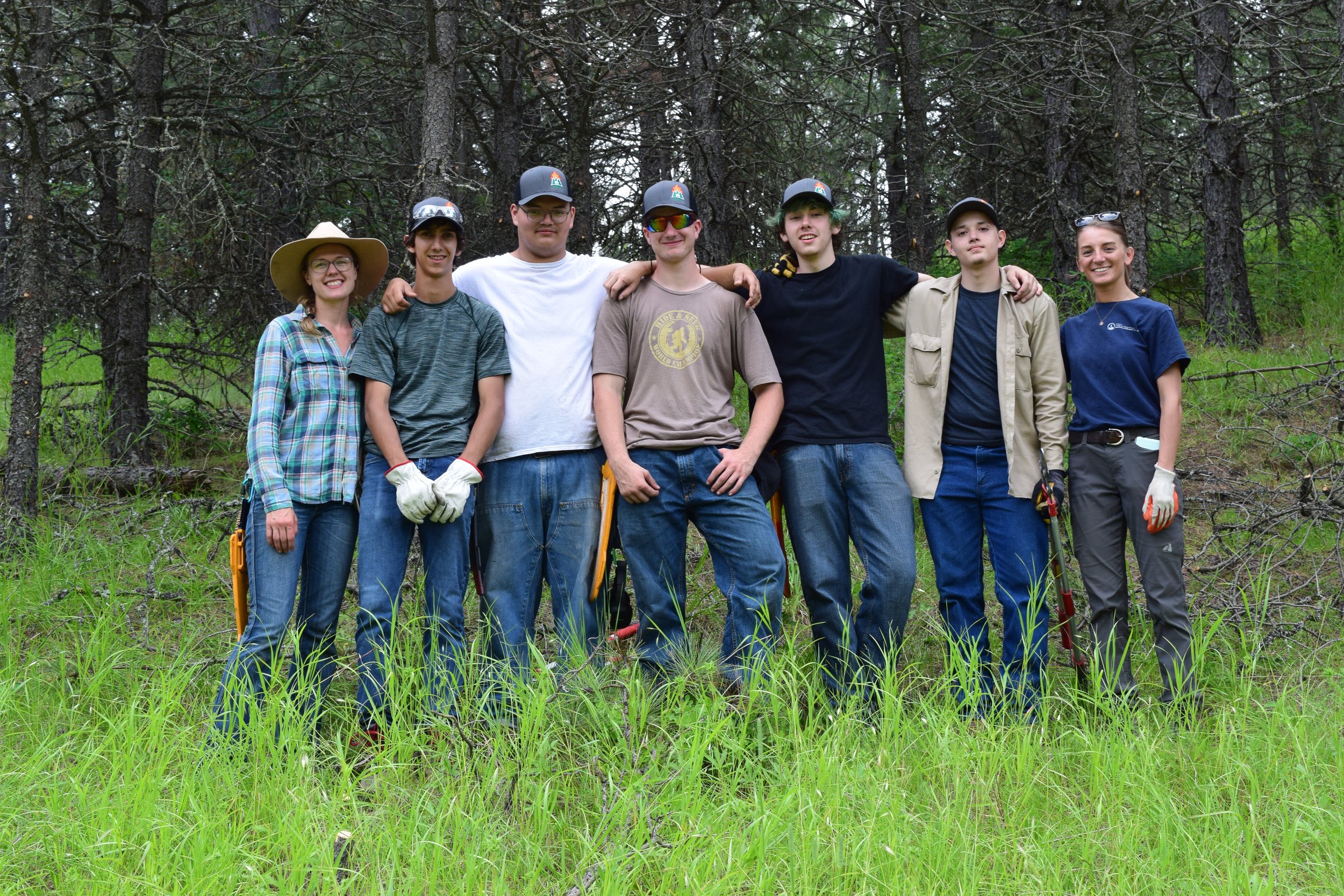
Youth Conservation Corps from previous Idler’s Rest Work
This first phase is really just the start. Once the removal work wraps up, the next steps will likely include volunteers and community members helping with brush clearing, native tree planting, habitat work, and keeping an eye on how the forest recovers over the next several years.
We hope you'll be part of shaping what this stand becomes. There's something special about planting a tree here and knowing you can come back for decades to watch it grow. The care we put into this forest today will help create a healthier landscape for generations to come.
A community only grows great when we plant trees whose shade we will never sit in.